“bourbon Santos coffee” search results (300)
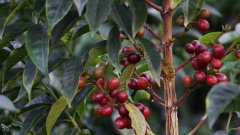
Power Coffee South American Santos Coffee: also a unique coffee variety in Brazil
South American Santos Coffee: also unique to Brazil, it tastes mellow, neutral and can be boiled directly or mixed with other kinds of coffee beans to form a comprehensive coffee. Old bourbon coffee is grown on some estates in the Serrado district of Minas Greais state in southeastern Brazil. These estates, such as Capin Branco Manor and
2016-05-07 Power coffee South American mountains Doss also Brazil some varieties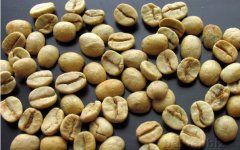
Brazil Santos Coffee Raw Bean Brazil Santos Coffee
Brazilian coffee raw bean Brazil santos coffee green bean although the annual output of Brazilian coffee reaches 30% to 35% of the world, ranking first in the world, none of the Brazilian beans can be called the top coffee. There are coffee trees all over the mountains, distributed in the south of Brazil, but Santos is the only one that can be put on the table; most of the other beans are handled hastily.
2015-09-12 Nishiyama toast coffee raw beans Brazil Santos Coff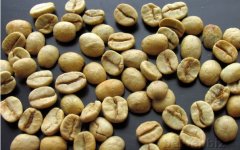
Brazil Santos Coffee Raw Bean Brazil Santos Coffee
Although Brazil produces 30 to 35% of the world's coffee annually, ranking first in the world, none of the Brazilian beans can be called the top coffee. The mountains are covered with coffee trees in southern Brazil, but Santos is the only one that can be put on the table; most of the other hastily processed beans are used to make instant coffee and easy-to-open coffee. Growth of Santos coffee
2015-07-01 Nishiyama toast coffee raw beans Brazil Santos Coff
Description of Brazilian Coffee Flavor with low sour taste introduction to the treatment of Grinding degree
There are many large farms in Brazil, which run endless coffee plantations. They use machines to harvest and dry them. They are so efficient in automation that they regard coffee as a general agricultural material and completely abandon the flavor and flavor. As a result, many select coffee companies simply do not sell Brazilian beans so as not to demean themselves. In select coffee shops, Santos in Brazil still appears occasionally.
2016-10-06 With low sour Brazilian coffee flavor description grinding treatment way
Introduction to the processing methods of highly aromatic Brazilian coffee with the characteristics of grindness and taste
Brazil is located in southeastern South America, spanning 35 to 74 degrees west longitude and 5 degrees north to 35 degrees south latitude. It is bordered by the South Atlantic Ocean to the east and any country in South America to the north, west and south (except Chile). It is bordered by French Guiana, Suriname, Guyana, Venezuela and Colombia to the north, Peru and Bolivia to the west, and Paraguay, Argentina and Uruguay to the south. Coastline
2016-09-30 Strong fragrant Brazilian coffee grinding taste characteristics boutique handling way
Introduction to the Flavor and Taste characteristics of Brazilian Coffee
Brazilian coffee was introduced from French Guiana in 1729. It is true that intensive farming, changing treatment methods and improving the technical content of planting can improve the quality of coffee to some extent, but in any case, the natural conditions of Brazil cannot be compared with those of some regions that produce the world's top coffee. Because although Brazil has better soil conditions and humid climate, it is not high above sea level.
2016-08-01 Brazil coffee flavor taste characteristics introduction boutique coffee beans origin
Coffee beans Brazilian Santos Coffee Raw beans Brazil Santos Coffee
Although Brazil produces 30 to 35% of the world's coffee annually, ranking first in the world, none of the Brazilian beans can be called the top coffee. The mountains are covered with coffee trees in southern Brazil, but Santos is the only one that can be put on the table; most of the other hastily processed beans are used to make instant coffee and easy-to-open coffee. Growth of Santos coffee
2014-09-05 Coffee beans Brazilian Santos coffee raw beans Brazilian boutique coffee beans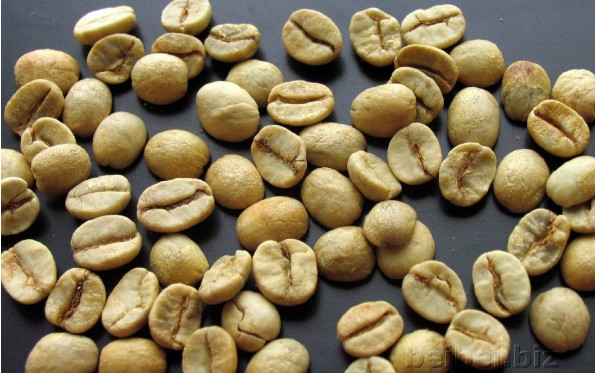
Introduction of world boutique coffee beans: Brazil Santos coffee raw bean Brazil Santos Coffee
Introduction: although the annual output of coffee in Brazil accounts for 30 to 35% of the world's coffee, there is only one kind of Santos that can be put on the table; most of the other hastily processed beans are used to make instant coffee and canned coffee. Brazil Coffee Raw Bean Brazil santos coffee green bean although the annual output of Brazilian coffee reaches 30 to 35% of the world, ranking first in the world, but
2015-12-17 World boutique coffee beans introduction Xishan toast coffee raw beans Brazi
Brazilian Coffee Santos Flavor description treatment characteristic Price Variety taste introduction
Brazilian Coffee beans Brazilian Coffee Santos Flavor description treatment characteristics Price varieties introduce Coffee trees all over the mountains, distributed in southern Brazil, but only "Santos" can be put on the table; most of the other hastily processed beans are used to make instant coffee and canned coffee. Santos Coffee grows in Sao Paulo I.
2016-10-21 Brazil Coffee Mountain toast Flavor description treatment characteristics Price Variety Taste
Boutique Brazilian coffee bean Brazil santos coffee gr
Although Brazil produces 30 to 35% of the world's coffee annually, ranking first in the world, none of the Brazilian beans can be called the top coffee. The mountains are covered with coffee trees in southern Brazil, but Santos is the only one that can be put on the table; most of the other hastily processed beans are used to make instant coffee and easy-to-open coffee. Growth of Santos coffee
2015-03-04 Boutique Brazil coffee beans santos coffee
Description of Brazilian Coffee Flavor, characteristics of Grinding degree and introduction of Fine Coffee in producing areas
There are many large farms in Brazil, which run endless coffee plantations. They use machines to harvest and dry them. They are so efficient in automation that they regard coffee as a general agricultural material and completely abandon the flavor and flavor. As a result, many select coffee companies simply do not sell Brazilian beans so as not to demean themselves. In the select coffee shop, there is still an occasional Sandoska in Brazil.
2016-10-12 Brazil coffee flavor description grinding characteristics variety producing area taste boutique
Introduction of coffee beans and some boutique coffee in the main producing areas of coffee beans in the world (1)
Introduction of coffee beans and some boutique coffee in the main coffee producing areas of the world: South America
2014-06-18 Coffee knowledge coffee bean distribution boutique coffee
Basic knowledge of coffee beans Brazilian Santos coffee raw beans
Although Brazil produces 30 to 35% of the world's coffee annually, ranking first in the world, none of the Brazilian beans can be called the top coffee. The mountains are covered with coffee trees in southern Brazil, but Santos is the only one that can be put on the table; most of the other hastily processed beans are used to make instant coffee and easy-to-open coffee. Growth of Santos coffee
2015-05-29 Coffee beans basics common sense Xishan toast coffee raw beans though Brazil
Introduction to Brazilian Santos Coffee Raw beans
Although Brazil produces 30 to 35% of the world's coffee annually, ranking first in the world, none of the Brazilian beans can be called the top coffee. The mountains are covered with coffee trees in southern Brazil, but Santos is the only one that can be put on the table; most of the other hastily processed beans are used to make instant coffee and easy-to-open coffee. Growth of Santos coffee
2014-11-11 Coffee knowledge boutique coffee beans Brazil Santos coffee raw beans
The pedigree and variety of selected coffee
Since human beings planted coffee, many varieties of coffee have been discovered and developed.
2014-06-17 Coffee knowledge coffee varieties coffee encyclopedia
Introduction to the varieties of boutique coffee
Since human beings planted coffee, many varieties of coffee have been discovered and developed.
2014-09-02 Coffee knowledge boutique coffee coffee varieties
Brazil Santos Coffee
Although Brazil produces 30 to 35 percent of the world's coffee annually, ranking first in the world, no Brazilian bean is considered top-class coffee.
2014-06-18 Coffee knowledge Brazilian coffee Coffee green beans
Introduction of Brazilian coffee with low sour taste and taste of manor fine coffee
Napoleon invaded Portugal in 1807 and the Portuguese royal family moved to Brazil. In 1820, the Portuguese royal family moved back to Lisbon, and Prince Pedro Reuba became regent. On September 7, 1822, complete independence from Portugal was declared and the Brazilian Empire was established. Then he was crowned emperor, Pedro I. Brazil promulgated the Constitution in 1824. In 1825, Portugal recognized Brazil's independence. During the Imperial period (1822-1889)
2016-08-20 With low sour Brazilian coffee flavor taste manor boutique introduction
Brazilian coffee beans Central American coffee flavor
Coffee is made from fine coffee beans. If the beans used to make coffee are not specialty coffee beans, the resulting coffee cannot be called specialty coffee-one of the world's largest coffee producers and exporters that can be hailed as the coffee continent. Since there are about ten states in the vast territory that produce large quantities, Brazil has set its own grading standards to compensate for geographical differences and quality differences.
2016-05-23 Brazil Coffee Bean Central and South America Coffee Flavor Fine Making
Introduction to the taste of varieties with the characteristics of grinding degree of Brazilian coffee bean flavor description method
Brazilian boutique coffee flavors grow old bourbon coffee on some estates in the Serrado district of MinasGreais in southeastern Brazil. Old varieties of bourbon coffee grown on these estates, such as CapinBranco and VistaAllegre, are also sold on the market. Although it comes from the same area
2016-10-21 Brazil coffee beans flavor description treatment grinding characteristics varieties taste introduction